
"specialty coffee transport"
900 article(s) found

What are the characteristics of honey-treated Nicaragua coffee? What roasting degree is suitable for Nicaragua coffee?
Professional coffee knowledge exchange More coffee bean information Please pay attention to the coffee workshop (Weixin Official Accounts cafe_style) from the sorter stand out of the fruit, part will be transported to the depulper peeling and pulp. The honey process describes coffee as sweet as honey, not as honey. Coffee with the skin removed but the flesh still sticky

Yemen coffee growing geographical environment What are the main producing areas of Yemen coffee
Professional coffee knowledge exchange More coffee bean information Please pay attention to coffee workshop (Weixin Official Accounts cafe_style) 01| Yemen is famous for its frankincense or spice trade and is the origin of the world's earliest coffee mocha. If you go back to the past, this is also where Noah built the ark in the Bible. Legend has it that 3000 years ago, with gold and incense

Guatemala single bean producing area introduces how to brew Guatemalan single bean.
Exchange of professional baristas follow Coffee Workshop (Wechat official account cafe_style) COBAN before World War II, German coffee producers held control of the region, and the town of Koban is named after this history of growth and prosperity. The dense tropical rain forest climate pattern creates a very humid climate, which is a challenge for coffee drying. The area is in transportation because of its geographical location.
An introduction to the Historical Origin of Malaba Coffee in Rwanda
Following caf é (Wechat official account vdailycom) found that Malaba Coffee, Rwanda Malaba Coffee (Rwandan: Ikawa ya Maraba, French: Caf de Maraba) is a fair trade certified coffee grown in Malaba area of southern Rwanda. The coffee crop of Malaba is a bourbon variety of Arabica species.

The introduction to Coffee textbook introduces the basic knowledge of coffee and the two skills of roasting and extraction.
Professional coffee knowledge exchange more coffee bean information please follow the coffee workshop (Wechat official account cafe_style) coffee books recommendation | popular science reader "Coffee Coffee everywhere" in addition to brewing coffee and making various coffee-related drinks, you can also learn more if you want to be promoted to become a coffee expert, this book will be the first book to accompany you to get started! The author Takuchi Junying for opening

Kenya AA Kirinijaga Kenyan AA Flavor introduction
Professional coffee knowledge exchange more coffee bean information please follow the coffee workshop (Wechat official account cafe_style) Kenyan coffee is most famous for its adorable sour taste, here is a quick introduction to today's protagonist: Kenya AA! Coffee introduction the African region has always been one of the best coffee producers in the world, with charming acidity and aroma.

Introduction to the characteristics of the treatment methods of grinding degree for describing the flavor of Ugandan coffee
Uganda's coffee production ranks first in Africa, accounting for more than 70% of its total exports. Uganda is also the hometown and main producing area of Robes specialty coffee. In the 1960s, Ugandan coffee production remained at 3.5 million bags a year. By the mid-1980s, coffee production had dropped to 2.5 million bags a year, mainly for political reasons. But now coffee production is on the rise again, which is large at present.

Introduction to the producing area of Jamaican Coffee
The origin of coffee in Jamaica: today's St. Andrews is still one of the top three producing areas of Blue Mountain Coffee, while the other two are Portland and St. St.Thomas. Today's Blue Mountain area is a small area with a planting area of only 6000 hectares, and it is impossible to grow all the coffee marked Blue Mountain there. Another 12000 hectares

Description of the Flavor of Ugandan Coffee introduction to the varieties treated in the manor area
Uganda coffee flavor description manor area treatment varieties Uganda's coffee production is among the highest in Africa, accounting for more than 70% of its total exports, while Uganda is also the hometown and main producing area of Robes specialty coffee. In the 1960s, Ugandan coffee production remained at 3.5 million bags a year. By the mid-1980s, coffee production had dropped to an annual rate, mainly for political reasons.

The CESMACH Cooperative in Chiapas, Mexico, introduces what is growing coffee in the biosphere?
CESMACH Cooperative, FTO Chiapas, Mexico-El Triunfo Biosphere Reserve-FLO Mexican Coffee History like many neighbouring countries, Mexico did not receive coffee plants until the late 1700s, when Spanish colonists brought coffee from Cuba and the Dominican Republic. However, during this period, Mexico exported large amounts of minerals such as gold and silver, so agriculture

Bright fruity Paradise Bird Manor in Papua New Guinea Fine Coffee Variety planting Market Price
Women in Papua New Guinea are generally subjected to brutal domestic violence. In traditional culture, women have always been regarded as the private property of men and can be beaten and scolded at will, and they do not live together after marriage and sleep with their wives at night. Although the introduction of modern civilization made the couples there learn to live together, they never learned how to get along. Besides, men are idle.

There are three factors affecting the preservation of coffee beans the relationship between oil production of coffee beans and freshness of coffee
Professional coffee knowledge exchange more coffee bean information Please follow the coffee workshop (Wechat official account cafe_style) individual boutique coffee beans _ coffee bean brands in boutique coffee producing areas coffee bean type and classification affect coffee bean preservation there are three factors: temperature, humidity and oxidation rate, how to buy fresh beans with high turnover rate, and how to save good beans. Buy a set of ground beans
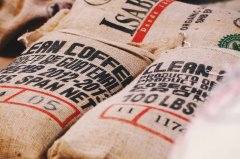
What is boutique coffee? Boutique coffee science
Boutique Coffee beans Fine Coffee (specialty coffee) is also called specialty coffee selection coffee. It refers to coffee made from a small number of raw beans with excellent taste grown in an ideal geographical environment. Depending on the special soil and climatic conditions in which they grow, they have outstanding flavor. After strict selection and grading, this kind of coffee has a hard texture.

How do you drink coffee in Jinrina Anpaiya Sun and Shirley? Sun exposure Yega Xuefei hand flushing suggestion
Professional coffee knowledge exchange more coffee bean information please follow the coffee workshop (Wechat official account cafe_style) the national Ethiopian producing area Kersa,Gelena Abaya, Yirgacheffe producers local small-scale farmers treated sun varieties Heirloom local native species 1800 meters above sea level exquisite washed coffee, elegant and charming flowers, clean flavor

What are the characteristics of boutique coffee? What is the definition of boutique coffee?
Professional coffee knowledge exchange more coffee bean information please follow coffee workshop (Wechat official account cafe_style) front street coffee often hear fans ask, what is boutique coffee? What are the characteristics of boutique coffee? What is the definition of boutique coffee? Indeed, as a professional coffee practitioner, even front street coffee is sometimes found in a variety of beans known as boutique coffee on the market.
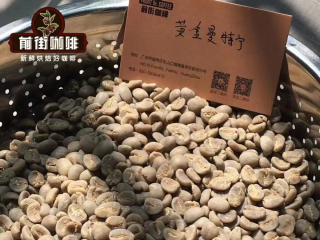
Differences in taste characteristics of varieties from pwn Gold Manning and Mantenin Coffee Bean
Professional coffee knowledge exchange more coffee bean information please pay attention to the coffee workshop (Wechat official account cafe_style) Manning and gold manning the difference: gold mantrin sweet and clean, mellow, wild spice flavor is slightly better than Manning G1, which is why Huangman is better than G1
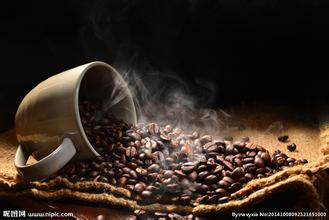
Rwanda Coffee Plantation Rwanda Coffee Region
Rwandans have been growing coffee since colonial times, but until 1999, the product was classified as below grade C and was not available on the global market. The reason for the poor quality is that farmers do not have a fixed procedure for cleaning coffee beans, and they do not process coffee fruits according to specifications in time. Buyers pay $0.33 a kilo for coffee beans, farmers keep warm on the meager margins they earn at low prices

What are the characteristics of Bolivian coffee beans? how does Bolivian coffee taste?
Professional coffee knowledge exchange more information about coffee beans Please follow the coffee workshop (Wechat official account cafe_style) Bolivia is one of the most difficult growing areas in the world, transportation and climate are the biggest problems. After a special relationship of origin and cooperation this year, we strongly recommend friends who love alpine coffee with rich flavors such as cherry fruit, cream, chocolate and caramel.

The importance of hand-selected coffee beans the quality of hand-selected coffee raw beans reduces the chance of defective beans
Previously discussed a good cup of coffee, that is, the selection of flawless coffee beans, after proper roasting, fresh grinding, brewing, the correct extraction of the taste of coffee standards and practical steps. (please refer to the previous post: what is a good cup of coffee and how to get a good cup of coffee?) The standard procedure is as follows: 1. Master raw beans 2. Raw bean hand chooses 3. Fresh baking 4.

Papua New Guinea Coffee with bright sour and fruity aromas introduce boutique coffee Paradise Bird Village
The vast majority of coffee in Papua New Guinea is organic coffee, but it is not intentional by the local people. it is really because of inconvenient transportation and economic hardship, the average coffee farmer is determined not to buy it, nor can he afford chemical fertilizer. Bird of Paradise coffee has a lively flavor, with bright sour and fruity aromas, different from the dreary Asian beans, but a bit of African beans. Therefore, although it is not a famous family,